The Complete Guide to Sri Lankan Ceylon Cinnamon
Whether you’re new to Ceylon cinnamon or looking to learn more about its origins, flavour, uses and how it differs from Cassia cinnamon, this gouide answears 50 of the most common questions people ask.
Ceylon cinnamon is a spice made from the inner bark of Cinnamomum verum, a tree native to Sri Lanka. Often called “True cinnamon,” it is prized for its delicate flavour, sweet aroma and naturally low coumarine content.
The term “true cinnamon” refers to Cinnamomum verum, the original cinnamon species historically traded throughout the world.
Most authentic Ceylon cinnamon is grown and harvested in Sri Lanka, which has ideal conditions for producing high-quality cinnamon bark.
Ceylon cinnamon has a mild, sweet flavour with subtle citrus and floral notes. It is less pungent than the Cassia cinnamon.
Ceylon cinnamon is typically light brown or golden tan, noticeably lighter than Cassia cinnamon.
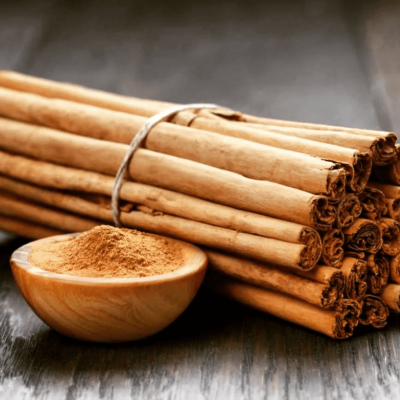
Ceylon cinnamon comes from Cinnamomun verum while Cassia cinnamon comes from related species. Ceylon is lighter, softer and milder in flavour.
Ceylon cinnamon naturally contains significant lower levels of coumarin than Cassia cinnamon.
Many consumers appreciate its delicate flavour, Sri Lankan origin and lower coumarinecontent.
Ceylon cinnamon is often regarded as the premium variety because of its flavour, harvesting process and limited growing regions.
Harvesting genuine cinnamon is labour intensive and requires skilled peeling of the inner bark by trained workers.

Yes. It contains naturally occurring antioxidant compunds found in many herbs and spices.
Polyphenols are naturally occuring plant compounds that contribute to the characteristics of many fruits, vegetables and spices.
Coumarin is a natural compound found in cinnamon and certain other plants.
Yes, but in much lower amounts than Cassia.
Pure ceylon contains no added sugar.
Cinnamon contains small amounts of naturally accuring nutrients, though it is usually consumed in relatively small quantities.
Yes. Many people incorporate Ceylon cinnamon into their daily diet through drinks, meals and snacks.
Many people use between half a teaspoon and one teaspoon daily, depending on personal preference and dietary habits.
Yes. It can be enjoyed as a part of a varied and balanced lifestyle
Yes, but in much lower amounts than Cassia.
Yes. It’s commonly added to coffee for flavour and aroma.
Yes. It pairs with black tea and particularly well with herbal teas, ginger and lemon.
Yes. Many people add it to fruit, protein and breakfast smoothies.
Yes. It can be used in both sweet and savoury recipes,
Its delicate flavour makes it ideal for cakes, biscuits, pastries and desserts.
Yes. It is a popular addition to oats and breakfast bowls.
Yes. It complements apples, pears, bananas and berries particularly well.
Yes. It is widely used in Sri Lankan, Indian and Middle Eastern cooking.
Absoluteluy. It adds depth to stew, rice dishes, spice blends and curries.
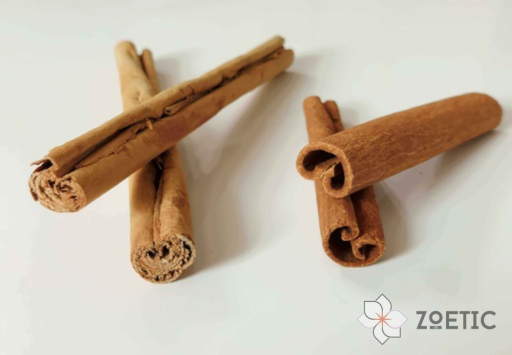
If you want to purchase quils, then look for thin delicate layers of bark rolled together. Genuine Ceylon cinnamon resembles a multi-layered cigar rather than a single thik stick.
Quils are rolled sticks made from layers of dried cinnamon bark.
Authenticity helps ensure you receive genuine Ceylon cinnamon with the characteristics associated with true cinnamon.
Look for reputable suppliers and clear origin information.
Most cinnamon produced in Sri Lanka is Ceylon, although suppliers transparency remains important.
Fresh Ceylon powder should have a light brown colour and a sweet aromatic scent.
While cinnamon does not spoil quickly, its flavour and aroma gradually diminish over time.
Store it in an airtight container away from heat, moisture and direct sunlight.
Refrigeration is generally unnecessary if stored properly in a cool dry place.
For best flavour, use within 12 to 24 months of opening.
Whole quills generaly retain their flavour longer than ground cinnamon.
Yes. Exposure to moisture may reduce freshness and encourage clumping.
Sri Lanka has centuries of experience growing and producing some of the world’s finest cinnamon
Harvesters carefully remove the outer bark and peel the inner bark. which is then rolled into quills and dried.
Its growing condition, traditional harvesting methods and long history contribute to its reputation.
Yes. Cinnamon remains one of Sri Lanka’s most recognised agricultural exports.
Grading refers to the size, appearance and quality of cinnamon quills.
Alba grade cinnamon quills are among the finest and thinnest grades. It represents less than 5% of the cinnamon harvest and are the thinnest and most tender layers of the inner bark. It requires master skills to peel and roll the thinnest inner bark layers into quils. The aroma is also higher than other grades of Ceylon cinnamon.
Choose trusted suppliers that provide clear information about sourcing and authenticity.
Powder offers convenience, while quills retain flavour for longer and can be ground when needed. If you are purchasing powder, it’s worth knowing your annual consumption. So purchasing cinnamon powder that will be used in under a year will be perfectly fine.
Organic certification reflects growing methods, though quality also depends on sourcing and freshness.
Check for reference to Ceylon cinnamon, Cinnamomum verum and Sri Lankan origin.
Look specifically for “Ceylon Cinnamon on the packaging and the light brown colour.
Zoetic sources authentic Sri Lankan Ceylon cinnamon and focouses on qualit and freshness, helping customers enjoy genuine true cinnamon with confidence.