Himalayan pink salt has become one of the most talked-about ingredients in modern kitchens, and for good reason. From luxury restaurants to wellness focused homes, the distinctive pink crystals are now seen everywhere. But the attractive colour and premium branding, many people still wonder: is Himalayan salt actually better than regular salt?
The answer is more nuanced than most articles suggest.
While Himalayan pink salt is often promoted as healthier, more natural alternative to table salt, its real value comes down to how you use it. Understanding the nutritional facts, culinary applications and practical limitations can help you makesmarter choices for your health, cooking and budget.
However, here is where clarity matters. Although Himalayan salt contains trace minerals, the amounts are small. Both table and Himalayan salt contain sodium, and excessive sodium intake from any source may contribute to high blood pressure and other health concerns. That doesn’t mean Himalayan salt lacks value. Far from it!
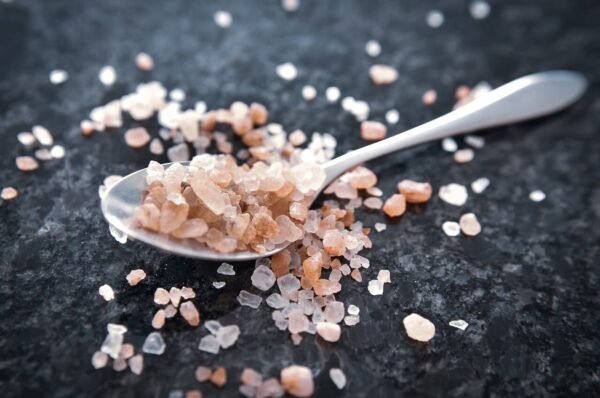
The real advantage lies in texture, flavour delivery and culinary versatility. Professional chefs often use it as a finishing salt because its coarse crystals dissolve more slowly on the tongue. This creates bursts of flavour instead of uniform sltiness, adding depth and complexity to dishes. For example, sprinckling coarse Himalayan pink salt over grilled vegetables, steak, seafood or dark chocolate desserts can elevate the overall eating experience. The crunch, visual appeal, and controlled salinity make a noticeable difference. In these applications, Himalayan pink salt performs exceptionally well.
Still, it is not ideal for every situation.
In baking and precise recipe development, consintency is critical. Fine table salt distributes evenly throughout doughs and batters, ensuring predictable results. Coarse Himalayan salt may create uneven seasoning or inconsistent texture if not properly measured or ground. For professional kitchens and food manufacturers, this distinction matters.
One reason Himalayan salt continues to grow in popularity is its versatility. It can be used in cooking, seasoning, food presentation and even wellnes-focused routines. But understanding where it delivers the most value is essential.
1- Enhanced Flavour and Texture
The largest crustal structure of Himalayan pink salt allows for slower dissolution, which creates a more layerd taste experience. This makes it partcularly effective as a finishing salt rather than a cooking salt.
Best uses include:
In these situations, Himalayan pink improves both flavour preception and visual presentation.
2- Less Processed Than Table Salt
Many consumers choose Himalayan salt because it is less refined than standard table salt. Traditional table salt in heavily processed and often contains anti caking agents. Himalayan salt typically undergoes minimal processing, which appeals to people seeking more natural food ingredients. That said, “natural” does not automatically mean healthier, sodium intake must always be regulated. This is an important distinction othen overlooked in marketing campaigns.
3- Contains Trace Minerals
These minerals contribute to the salt’s appearance and subtle flavour complexity. However, they are not present in high enough concentration to replace nutrient-rich foods or suplements.
If your goal is improving mineral intake, whole foods such as leafy greens, nuts seeds and legums remain significantly more effective nutritional source.
4- Supports Premium Food Presentation
In professional dining environments, presentation influences perceived value. The visible pink crystals create a sense of craftsmanship and quality that standard salt simply cannot replicate.
Restaurants and gourmet food brands frequently use Himalayan pink salt to enhance visual appeal and justify premium pricing. This is not just marketing psychology, it directly shapes customer perception and dining experience.
5- Useful Salt Blocks and Speciality Cooking
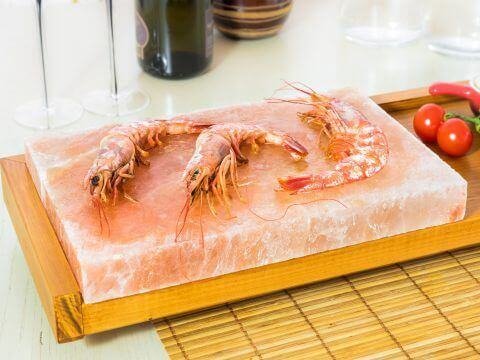
Himalayan salt blocks have also become increasingly popular. These large slabs of salt can be heated or chilled for serving food. They are commonly used for:
Salt blocks add subtle seasoning while creating a memorable presentation.

Feature | Himalayan Pink | Table Salt |
|---|---|---|
Processing | Minimally processed | Highly refined |
Colour | Pink | White |
Mineral Content | Trace minerals present | Fine and refined |
Iodine | Usually not added | Mostly pure sodiom chloride |
Best Use | Finishing dishes | Baking and everyday cooking |
One of the biggest nutritional differences is iodine content.
Table salt is commonly fortified with iodine, which supports thyroid function and overall metabolic halth. Himalayan pink salt generally contains little to no iodine. Individuals who replace iodized salt entirely should ensure they obtain iodine from other dietary sources such as seafood, dairy products, or seaweed.
This is particularly important for individuals following restrictive diets or living in regions where iodine deficiency is more common.
The popularity of Himalayan salt has also exaggerated health claims. Some products are marketed with promises of detoxifiction, pH balancing or enhanced energy levels.
Current scientific evidence does not strongly support these claims.
The human body already regulates pH naturally through the lungs and kidneys. Additionally, no salt can detox the body in way many advertiswments suggest. While Himalayan salt can absolutely be a part of a balanced lifestyle, it should not be viewed as a miracle ingredient.
A more practical perspective in far more useful.
Himalayan pink salt works best when appreciated for its culinary performance, natural sourcing, texture and visual appeal, not as a cure-all health product.
Not all Himalayan pink salt products offer the same quality. When purchasing look for:
Fine grains versions are always easier to use but there is also a higher chance of dilution. Use a pestle and mortar or coffee blender to crush coarse salt. An advantage of this, is you can decide how fine or coarse you need your salt to be.
For many people, yes. But selectively.
Using Himalayan salt for every cooking application may not be cost-effective. Since it can cost significantly more than standard table salt., strategic use is the smarter approach.
The best method is often a hybrid approach:
This allows you to enjoy the benefits of Himalayan salt without overspending unnecessarily.
At the end of the day, Himalayan pink salt is not simply a trend. It is a speciality ingredient with distinct strengths. When used intentionally, it can enhance flavour, elevate presentation, and create a more refined cooking experience. And that is where its real value truly shines.